ステファニー・モレノ


Study Abroad Experience
This section highlights my study abroad experience at Chukyo University in Nagoya, Japan. It includes insights into my cultural experiences and personal growth during my time abroad.
Study Abroad Reflection
Studying abroad at Chukyo University in Nagoya, Japan during the Fall 2024 semester was a transformative experience that pushed me far beyond my comfort zone and deepened both my language skills and cultural understanding. As a Language and International Business major at Clemson University, studying abroad is a major requirement, and for good reason. Immersing myself in the culture of the language I’ve been studying allowed me to gain an understanding that no classroom could ever fully provide.
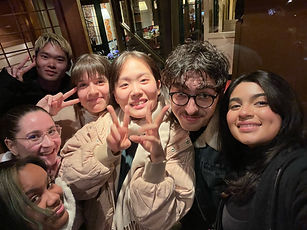
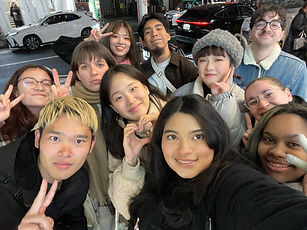
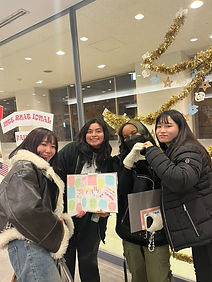
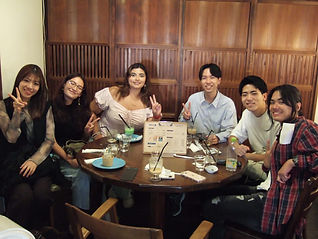
I arrived in Japan in August 2024, alone, and honestly terrified. It was my first time traveling that far from home, and I didn’t know anyone else from Clemson participating in the program. Still, I chose to see this as a challenge. It was an opportunity to grow, become more independent, and meet people from around the world. And that’s exactly what I did. I formed friendships not only with Japanese students, but also with other international exchange students from Ireland, Italy, France, Germany, and more. These relationships became a key part of my experience, helping me broaden my global perspective and develop a deeper appreciation for cultural diversity, not just in Japanese culture, but across multiple backgrounds.
One of the most meaningful parts of my time abroad was learning how to enjoy my own company. Japanese culture, in many ways, normalizes solitude. It's common to see single-person tables in restaurants and people traveling or eating alone without any social stigma. This cultural nuance encouraged me to explore the country by myself, and I found empowerment in doing so. I took solo trips to Tokyo, Osaka, and Kyoto. Each experience was rich with beauty, history, and personal growth. Traveling alone helped me build confidence and gave me the space to reflect on the language and culture I was immersed in.
Of course, not every part of my experience was picture-perfect. One of the biggest cultural shocks I faced was how normalized certain forms of racism and cultural appropriation seemed to be. Growing up as a minority in America, it was disappointing to witness the casual appropriation of Black culture and to experience moments where I felt negatively perceived or mocked. Japan’s homogeneity plays a big role in this dynamic, and while it was difficult, it taught me a valuable lesson about global perspectives and the importance of cultural sensitivity. It also made me realize that, as bad as things are in America, much of the world is behind greatly when it comes to sensitive topics such as these. Despite this, I also met many kind, welcoming people who were open and curious, and who treated me with warmth and respect.
As for my academic experience in Japan, I was able to learn a lot more about Japanese culture through my classes. As part of my Glocal Studies in Japan class, I had the opportunity to attend a traditional Japanese tea ceremony, which became one of the most meaningful cultural experiences of my semester. Rather than just observing the ritual, we were guided through the philosophy behind it, rooted in Zen Buddhism and the Japanese concept of wabi-sabi. This idea centers on finding beauty in imperfection, impermanence, and simplicity. Sitting in a quiet tatami room, I watched each movement of the host carried out with care and intention. We were encouraged to be fully present and to reflect on what we saw and felt. Learning about wabi-sabi challenged the way I usually think, especially since I tend to focus on structure and perfection. I began to notice the value in quiet moments, in small details, and in things that are not meant to last. That experience changed how I viewed my time in Japan and helped me approach my own personal growth with more patience and acceptance.
Ultimately, my semester abroad helped me grow in ways I never expected. I became more self-reliant, more open-minded, and more fluent—not just in Japanese language, but in navigating new environments and connecting with people across cultures. It wasn’t always easy, but the challenges made the experience all the more meaningful. My time in Japan solidified my passion for international business and language, and it reminded me that the best way to understand a culture is to live it—not just observe it.